Solutions
Four solutions are summarized for different scenarios: defect treatment of hydropower engineering, defect treatment of high-speed rail transit engineering, defect treatment of water resource environment engineering, and defect treatment of new energy power generation engineering
Solutions for repairing underwater defects in hydraulic concrete structures
- Defect Type 1:
Underwater concrete pit defects
- Operating scenarios:
Underwater concrete scour holes are generally found in underwater areas of flow surfaces, such as stilling basins, gate sill plates, water discharge and sand flushing bottom holes, spillway guide walls, intake and tailwater outlets, etc. In addition, various gate slots, upstream side walls, etc., often show signs of excavation and damage. Inspection of underwater defects usually employs underwater video recording and diver underwater observation (combined with underwater television) to determine the size, location, and surrounding conditions of the defects
- Scheme Selection:
Follow the principle of "first closure, then consolidation, then reinforcement." Methods for handling underwater cavities and voids should include steel pipe pile + grouting method, grouting method, underwater non-dispersive concrete filling method, underwater seepage grouting method, chemical grouting method, etc. During construction, one or more methods should be used comprehensively according to the type of cavity and void.
- Material Selection (using underwater epoxy or underwater non-dispersive type):
Underwater pothole repair materials generally fall into two categories: polymer concrete and underwater non-dispersive concrete. For repairing large potholes or underwater voids, underwater non-dispersive concrete is generally recommended; polymer concrete can also be used if special requirements exist. The minimum thickness of underwater non-dispersive concrete should generally be no less than 50cm (in special cases, the minimum thickness cannot be less than 30cm). Thin-layer repairs generally use underwater epoxy concrete.
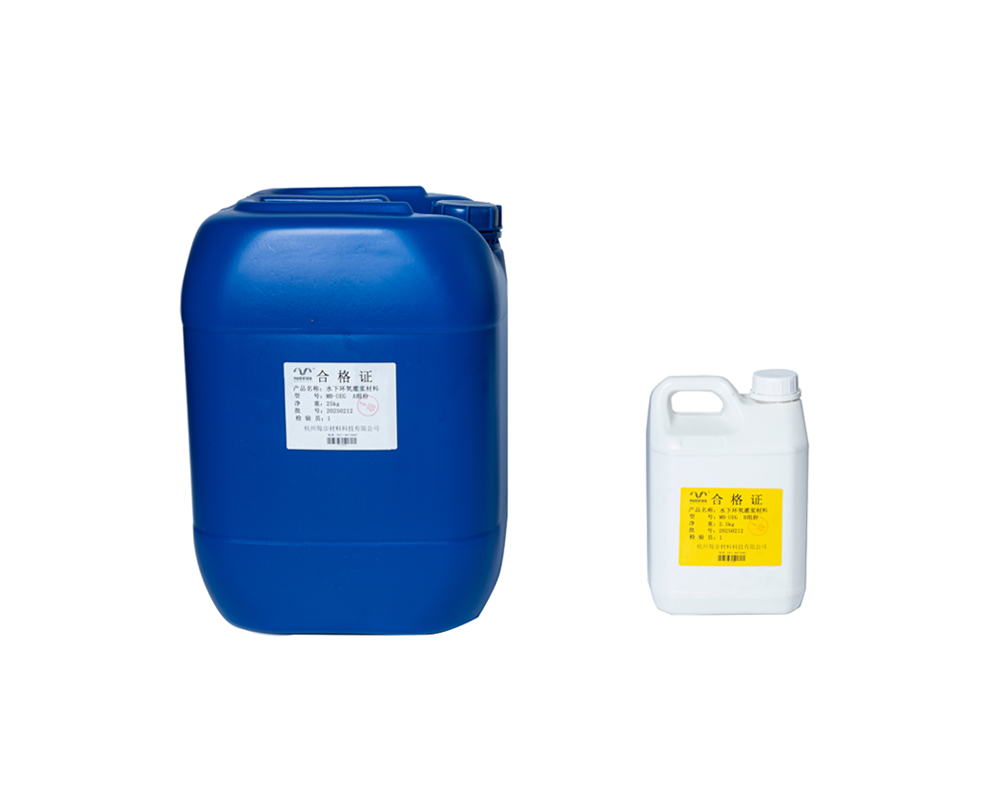
For repairing large volumes of concrete, MB-NDC underwater concrete non-dispersing agent is generally recommended for preparing underwater non-dispersive concrete.
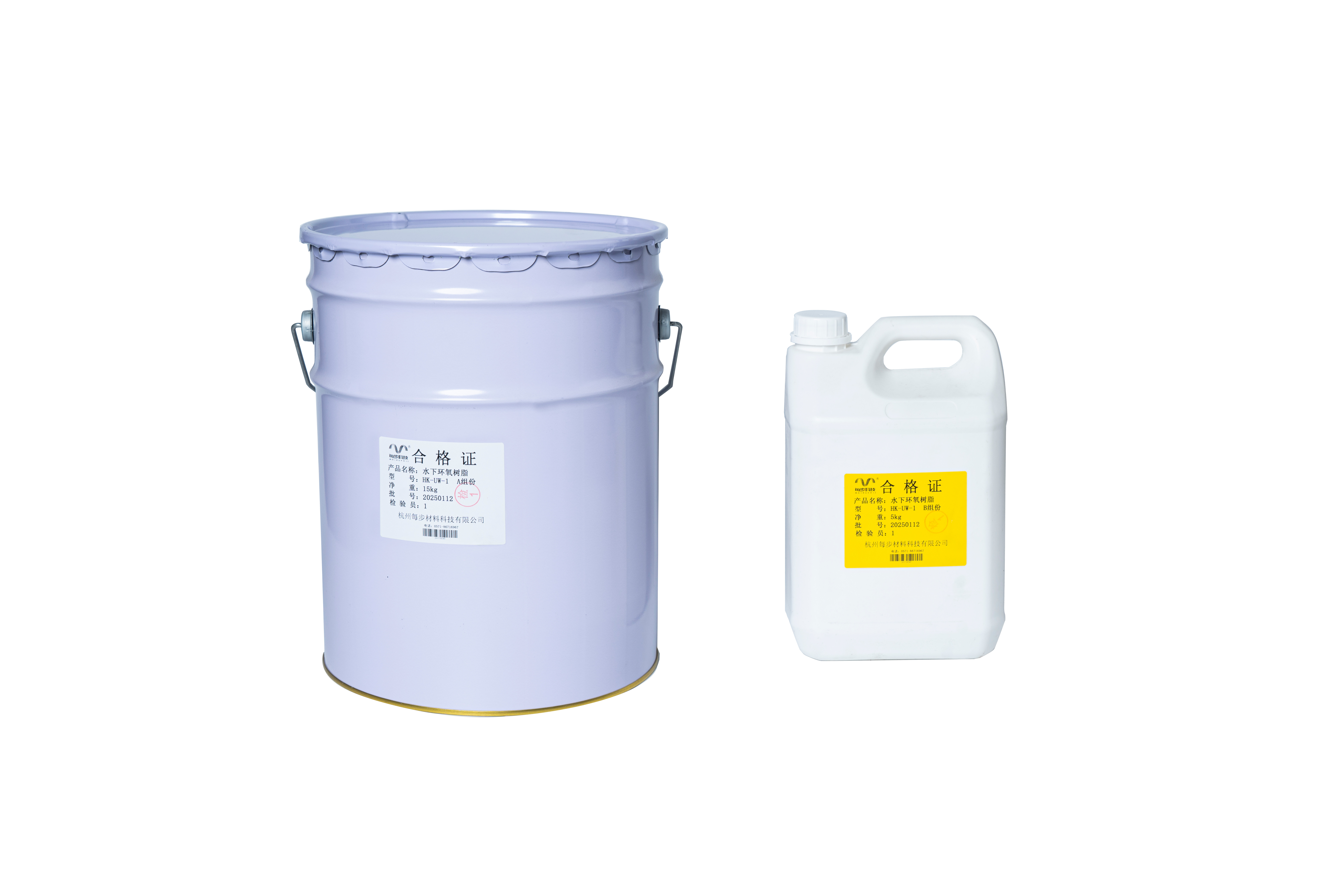
For thin-layer repairs, HK-UW-1 underwater epoxy mortar is recommended. It can be used in areas with fluctuating water levels and areas permanently located underwater.
- Design References (Unlimited):
Specification for Underwater Repair of Hydraulic Structures

Please fill in your contact information, and we will contact you as soon as possible
Copyright © Hangzhou Every Step Materials Technology Co., Ltd.
Technical Support:China Enterprise PowerHangzhou|SEO