
Solutions
Four solutions are summarized for different scenarios: defect treatment of hydropower engineering, defect treatment of high-speed rail transit engineering, defect treatment of water resource environment engineering, and defect treatment of new energy power generation engineering
Solutions for crack treatment in hydraulic concrete structures
- Crack Classification (Concrete Lining Type):
(1) Type I cracks (shallow cracks): Surface crack width δ ≤ 0.2mm and non-water seepage;
(2) Type II cracks: 0.2mm < surface crack width δ ≤ 0.3mm and non-water seepage;
(3) Type III cracks: Surface crack width δ > 0.3mm and non-water seepage;
(4) Type IV cracks: Cracks with surface water seepage, construction joints.
- Crack inspection:
The location, quantity, direction, length, width, and whether there is water seepage or leaching on the crack surface should be recorded in detail, and a crack map should be drawn. Each crack should be numbered and filed separately for observation and comparison after operation.
- Handling Principles:
Concrete crack repair in hydraulic structures can be achieved using methods such as spraying, bonding, grouting, filling, structural reinforcement, adding reinforcing bars, externally applying prestress, and carbon fiber reinforcement.
The following uses spraying and grouting as general examples.
Basically stable cracks should be treated as soon as possible. Unstable cracks should be treated in the low-temperature season. Seepage cracks should be treated before the concrete exudates form crystals.
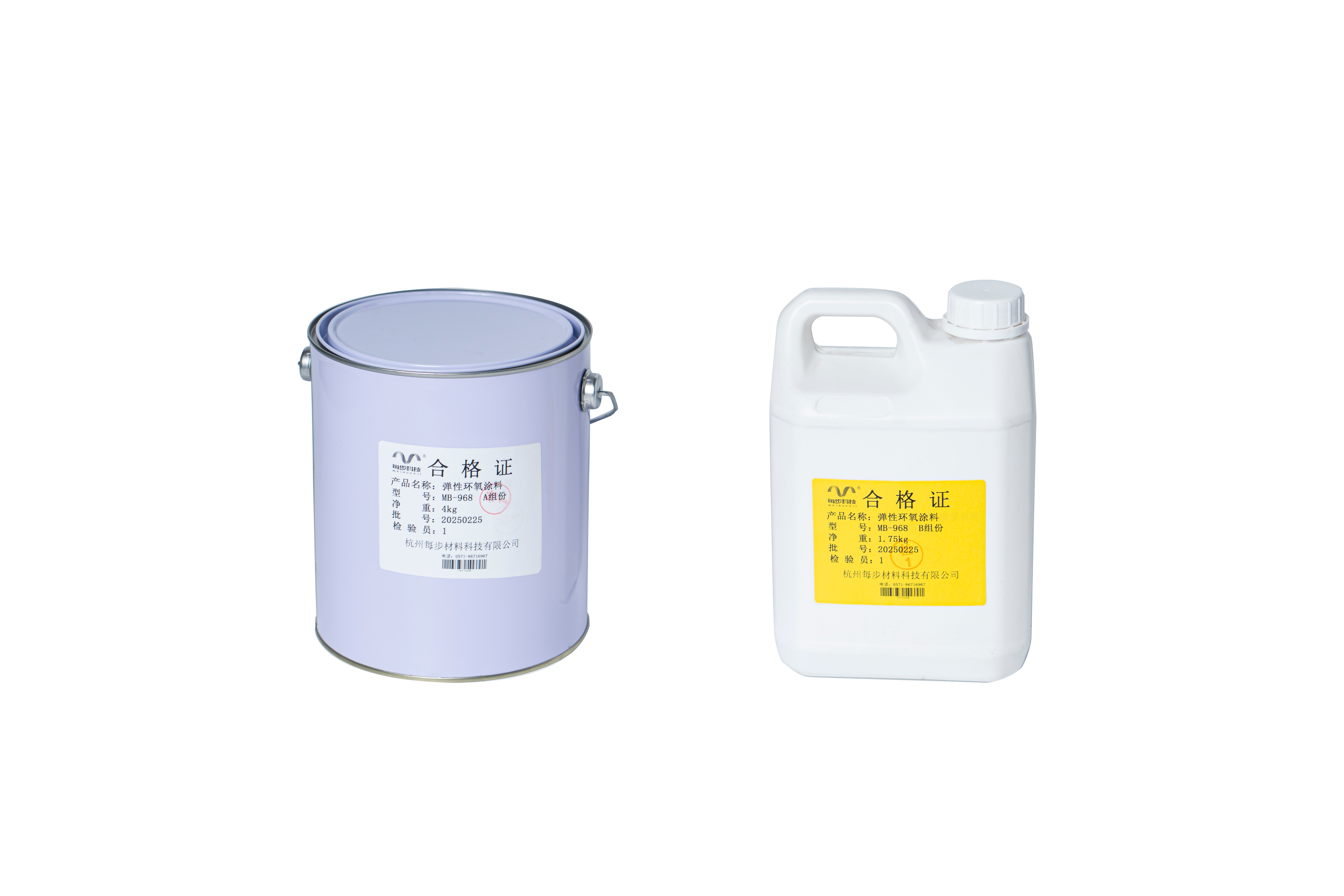
1 For Type I cracks: In principle, no special treatment is required. However, for cracks with a broken width > 0.5mm, the crack mouth should be sealed with MB-968 elastic epoxy coating with a brush width of approximately 15-20cm and a thickness of no less than 1mm.
2 For Type II cracks, perform direct surface sealing.
3 For Type III cracks, use groove-chiseling and sealing followed by chemical grouting, or non-destructive nozzle chemical grouting.
Type III crack treatment process (excluding special structures)
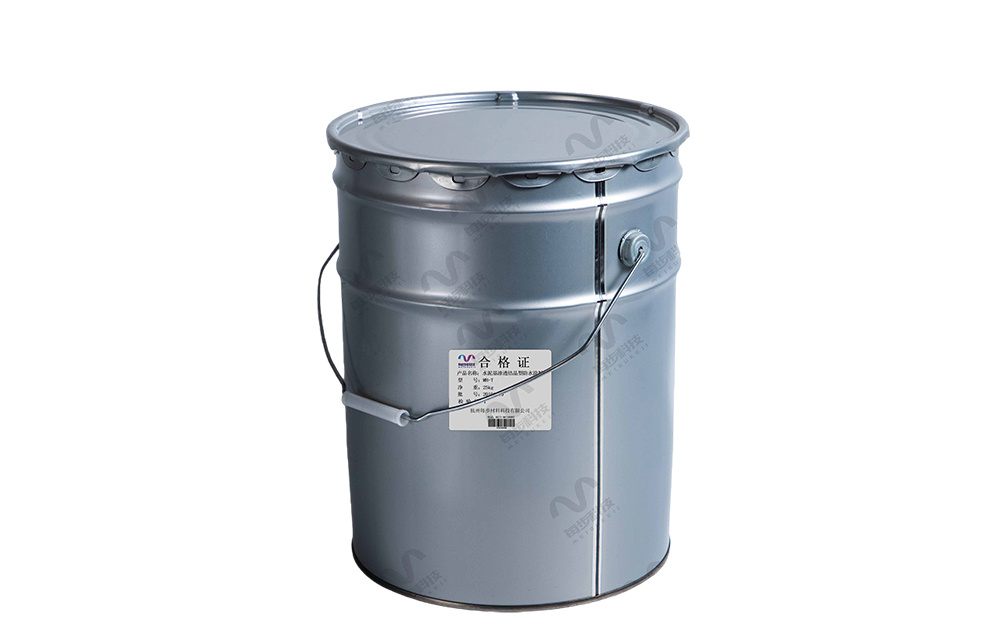
Cut a V-shaped groove along the crack → drill holes, embed pipes → seal with Liton cement → inject HK-WG solvent-free epoxy grouting material → remove Liton cement from the crack and fill the V-shaped groove with HK-UW-3 epoxy mortar.
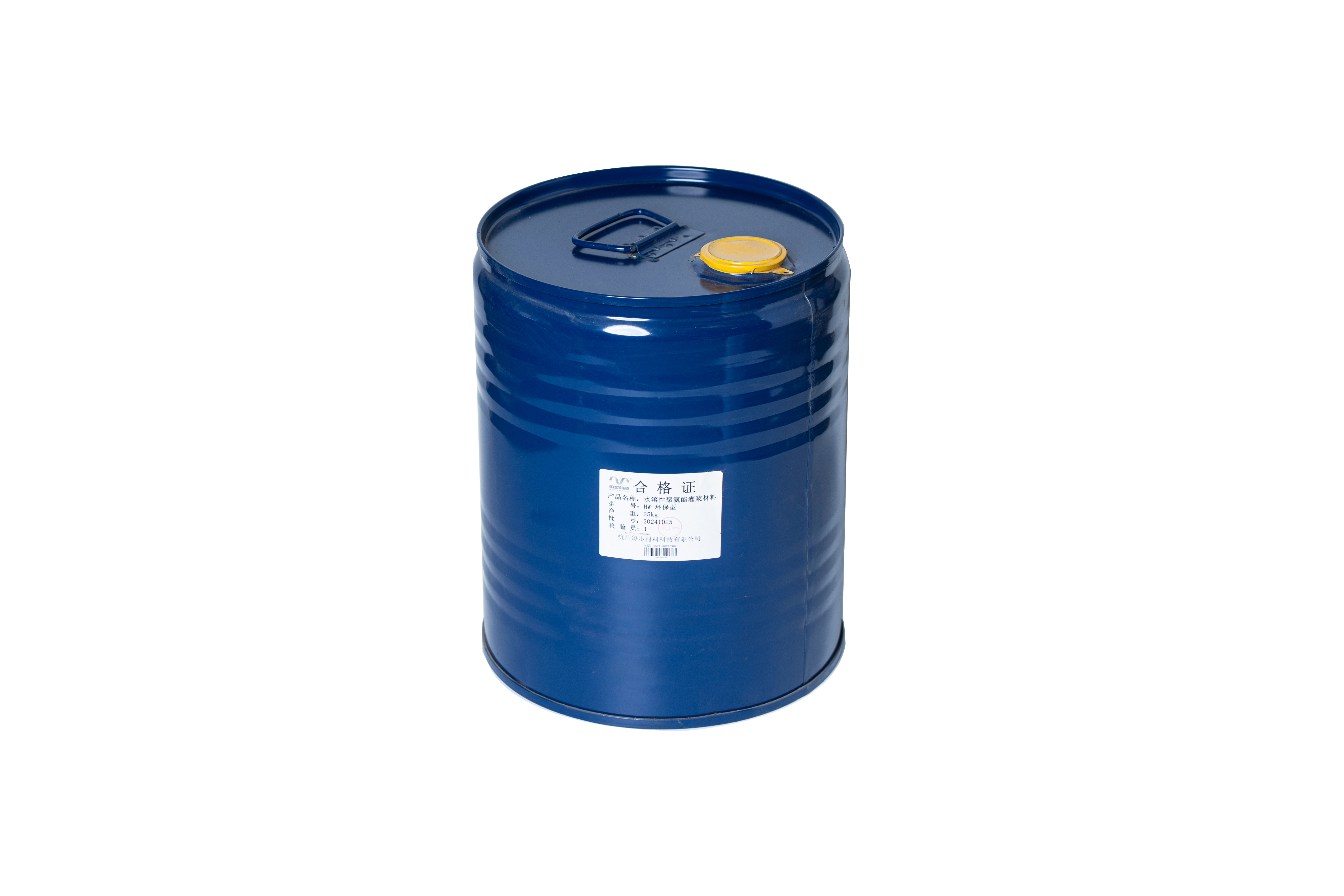
4 For Type IV cracks, use LW/HW water-soluble polyurethane chemical grouting material for chemical grouting.
Type IV crack treatment process (excluding special structures)
Clean the crack surface → cut a V-shaped groove along the crack → drill holes, embed pipes → seal with Liton cement → inject LW/HW water-soluble polyurethane chemical grouting material → remove Liton cement from the crack and fill the V-shaped groove with HK-UW-3 epoxy mortar.
- Design References (Unlimited):
DL/T5406-2010 " Specification for Chemical Grouting Construction of Hydraulic Structures", DL/T5315-2014 "Specification for Repair and Reinforcement of Hydraulic Concrete Structures", SL230-2015 "Specification for Maintenance and Repair of Concrete Dams"
Material System Selection:


Please fill in your contact information, and we will contact you as soon as possible
Copyright © Hangzhou Every Step Materials Technology Co., Ltd.
Technical Support:China Enterprise PowerHangzhou|SEO